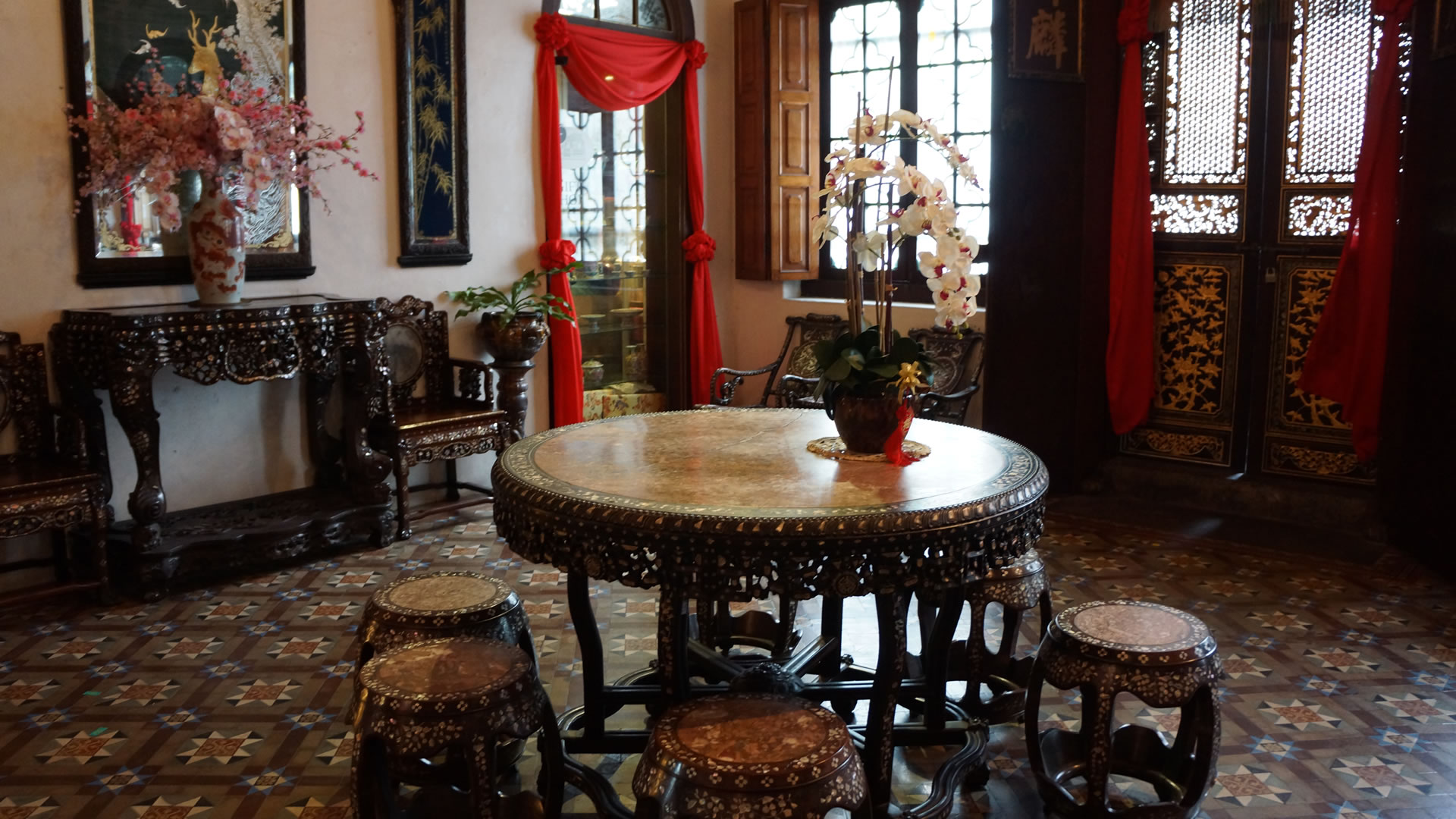
Traditional eclecticism
I`ve always been attracted by “mixtures”. Eclectic mixtures of styles, ideas, concepts, flavours and tastes. And I strongly believe that all journeys I`ve made so far opened up so many new vistas for me, each time more different, maybe stranger, but so interesting, that I created a world of my own, which I can take refuge in, whenever I want and I feel like to. A world full of contrasts and mixtures, as I have found them while crossing the world. In George Town, Penang, there is a house which reinforced my belief that, by combining cultures, traditions, influences, you can get something truly remarkable. You are eager to find out what this is about, aren`t you?
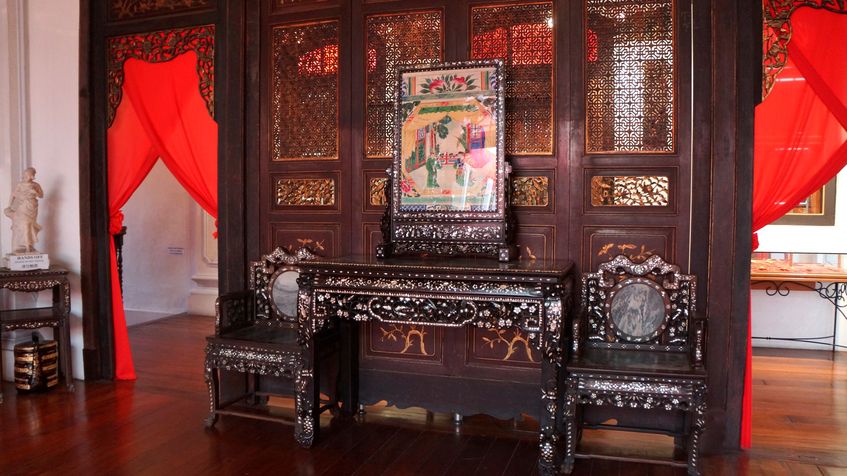
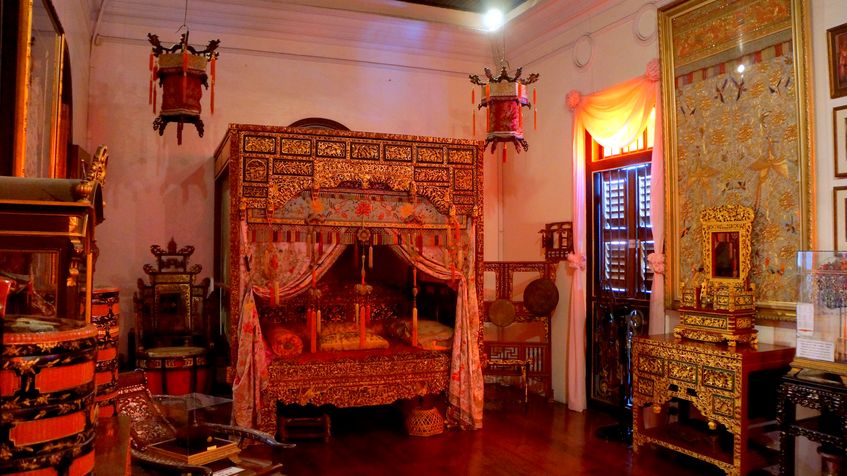
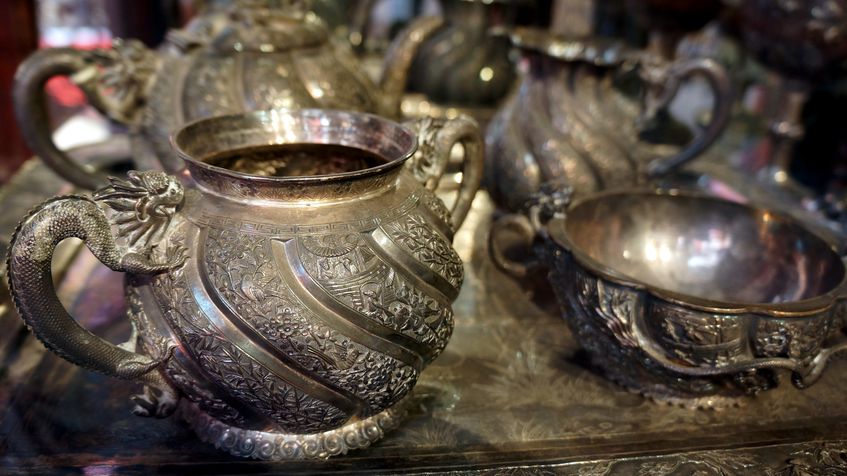
In order to be able to tell you about it, I need to start with a bit of history. The Peranakans Chinese, also known under the name of Babas and Nyonyas, represented a prominent immigrant community, having no notion of culture, but unique in the area-consequently, Penang, Malacca and Singapore bore the names strait Chinese. By taking over different, local Malayan customs, and then the British colonizers`, the Perakans built up their own life style, a unique and personalized one, let`s say, which left behind it a super rich inheritance of antiquities, but also cultural influences, such as the gastronomy and the dialect, which are striking nowadays in Penang. Therefore, the house I visited dates back to the 19th century and belonged to the Kapitan Cina Chung Kwee, and it`s a typical construction for a wealthy Baba. All the objects in the interior perfectly render his life style: there are over 1.000 antiquities and epoch collections, Chinese panels, made of carved wood, English ceramics, Irish wrought iron elements.
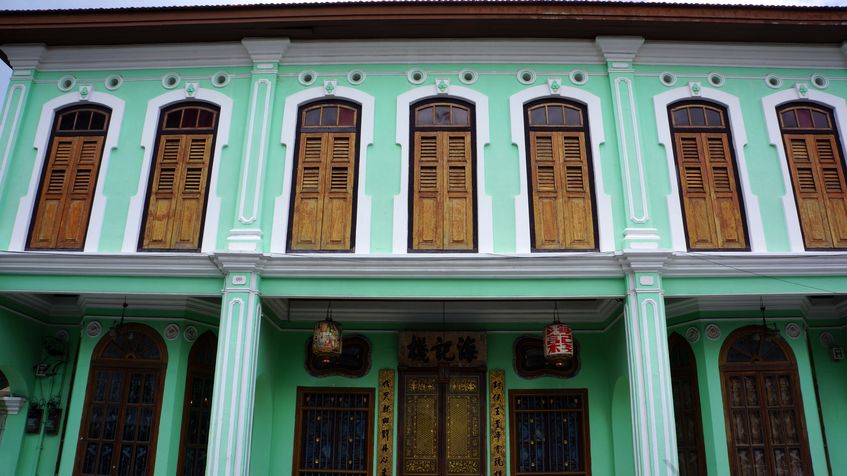
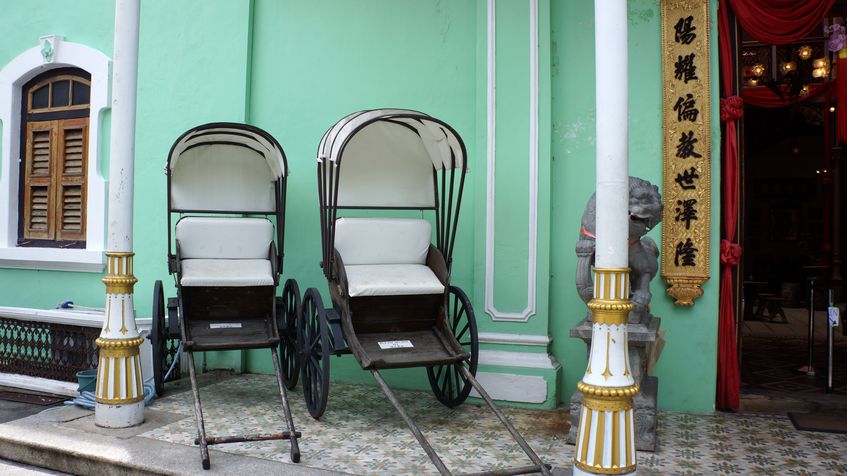
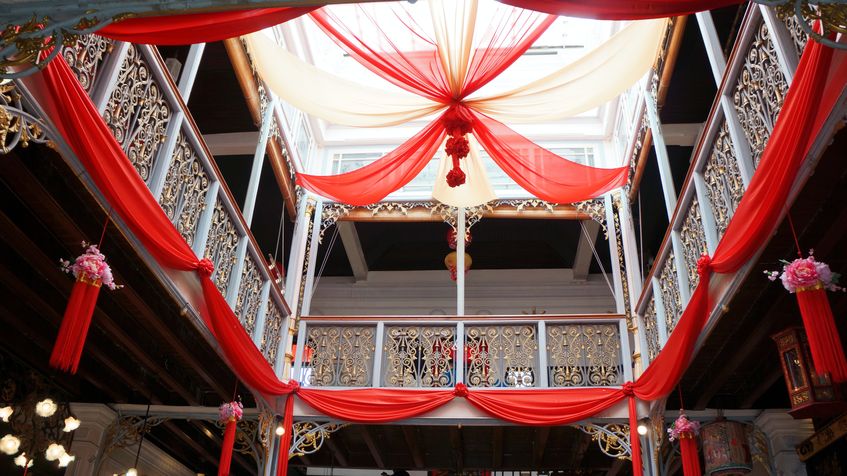
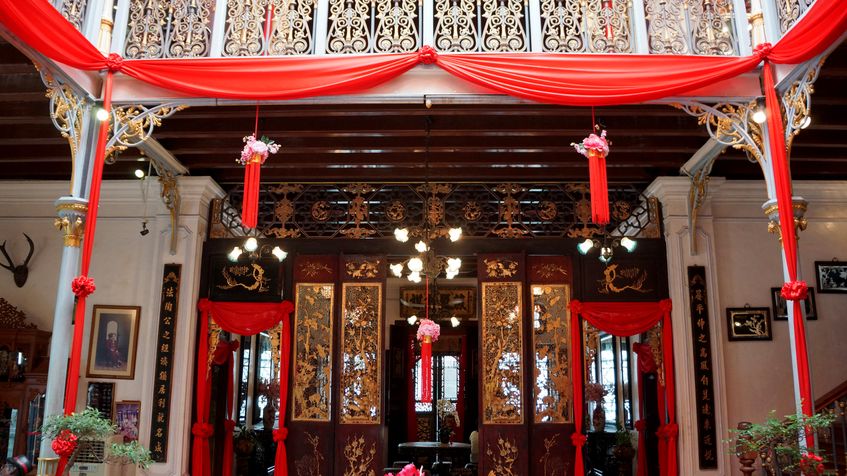
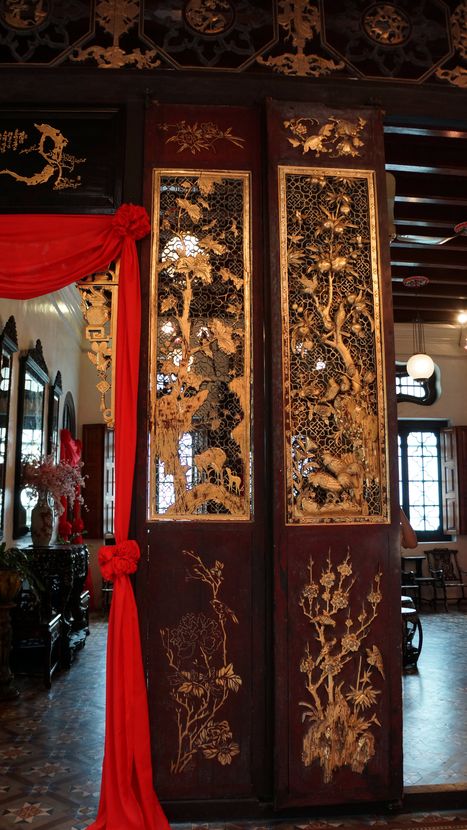
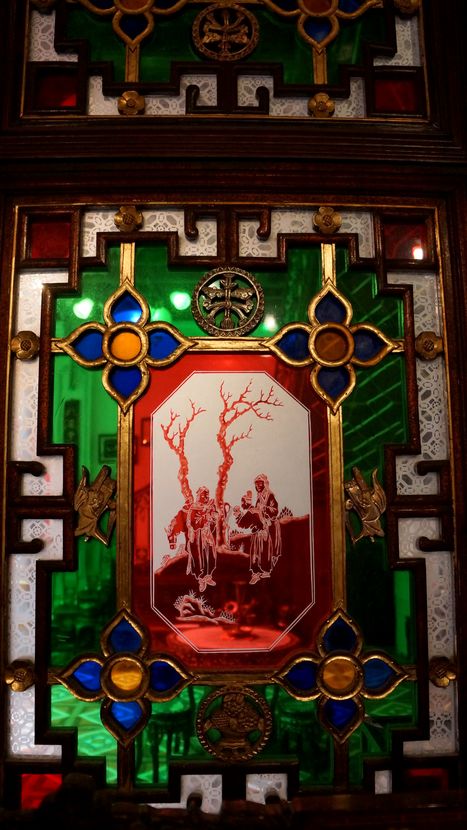
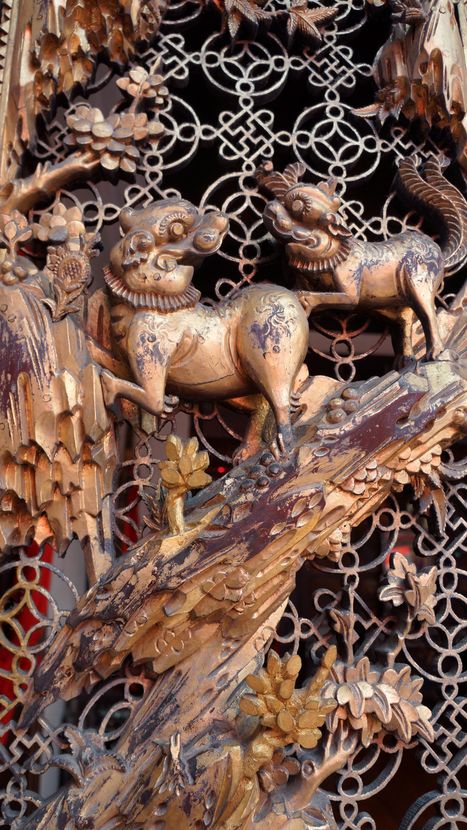
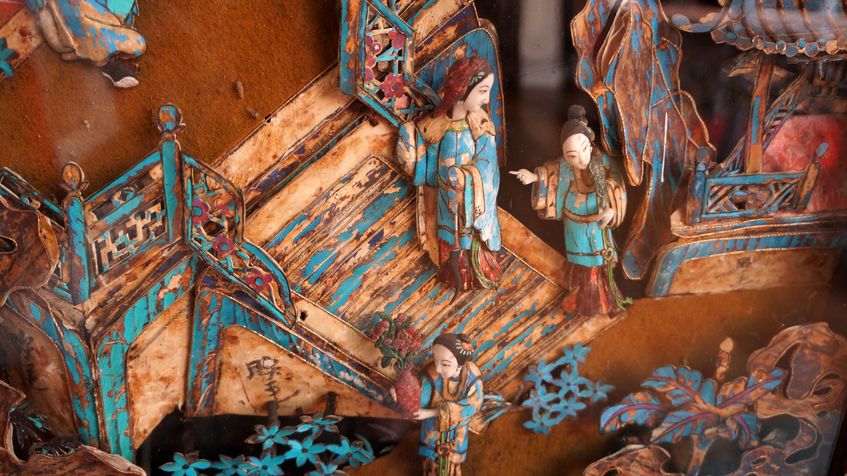
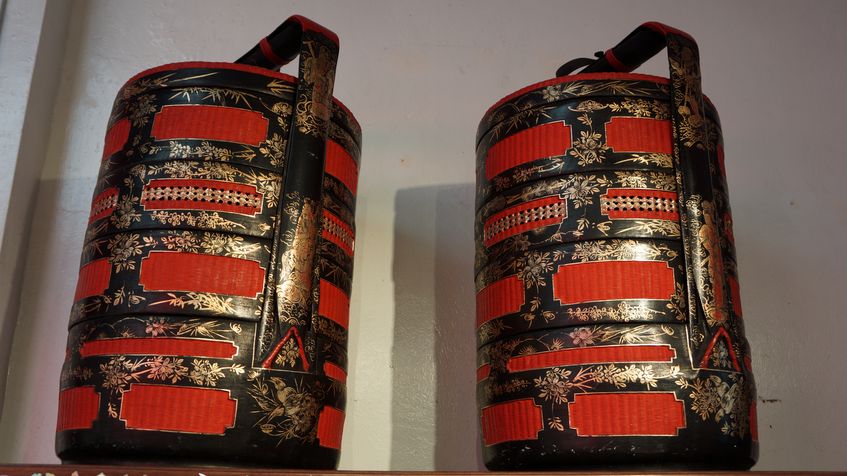
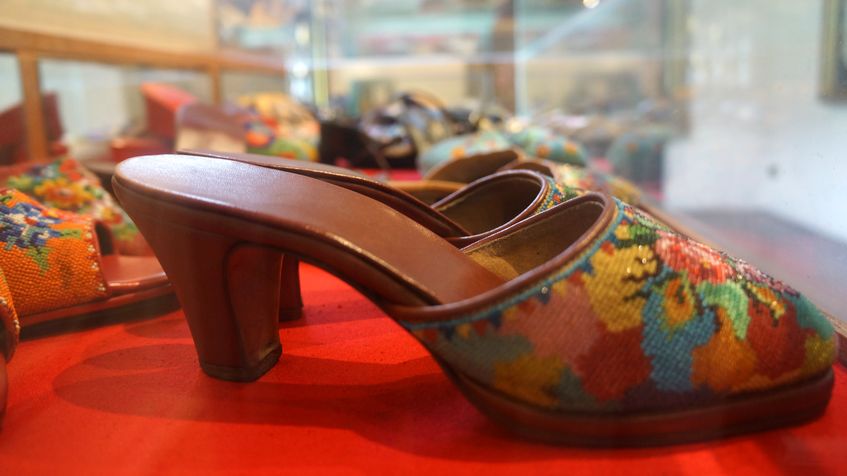
We were talking about mixtures and eclecticism, weren`t we? Here it is, an example of early eclecticism, if we compare it to the modern term. This mansion is a patrimony, as far as its design and architecture are concerned and showed me, one more time, what the power of a culture can create in the interior of another culture. I was particularly impressed by the precious wood furniture, the plates and dishes with striking European influences, all the Victorian figurines, but also the typically Asian costumes and footwear, especially the intricate and spectacular mosaics.
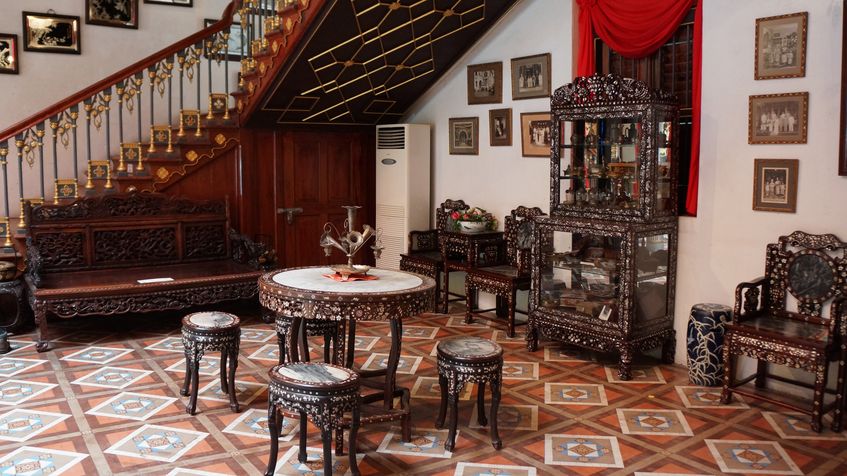
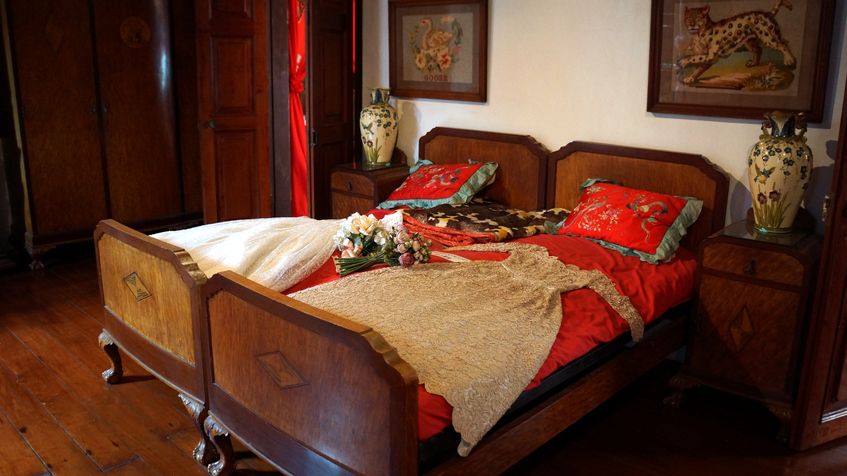
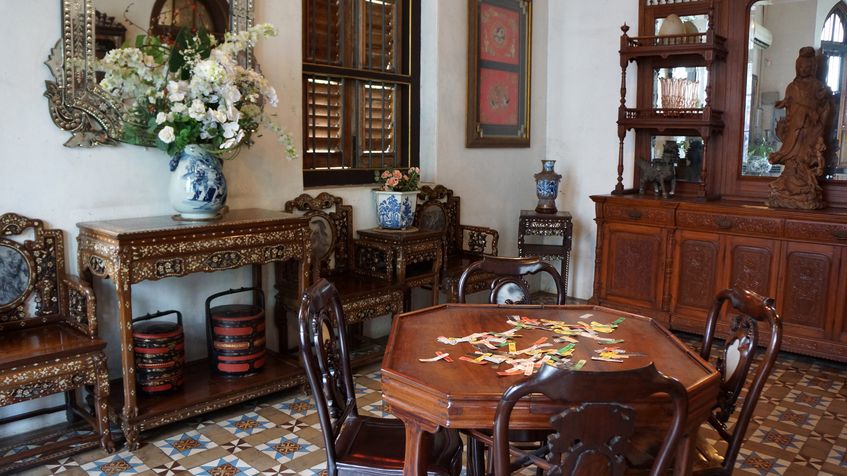
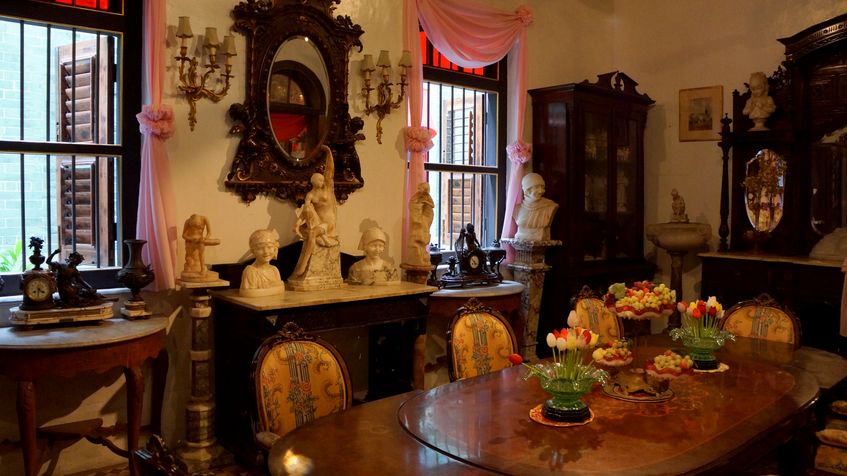
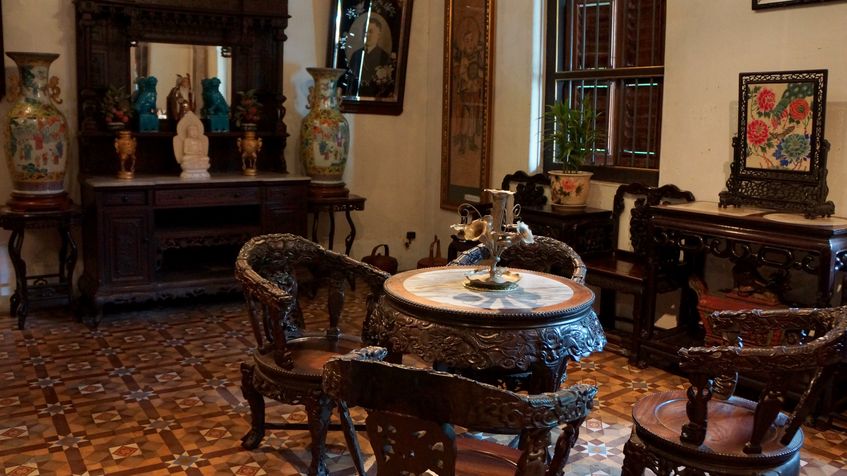
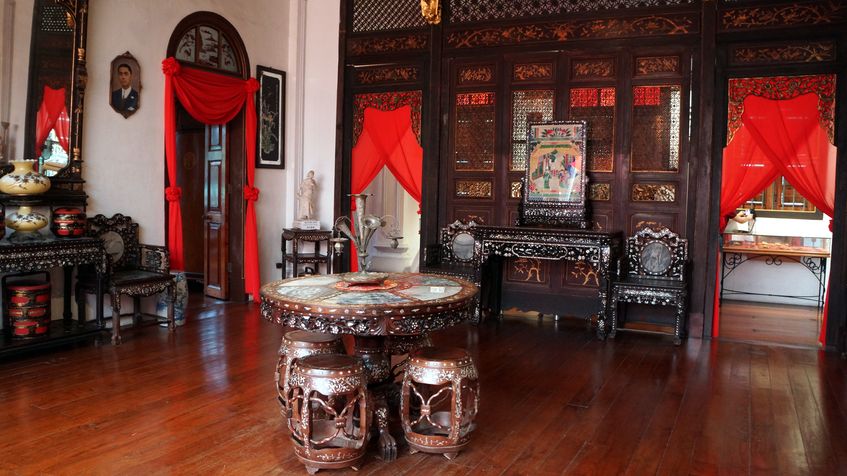
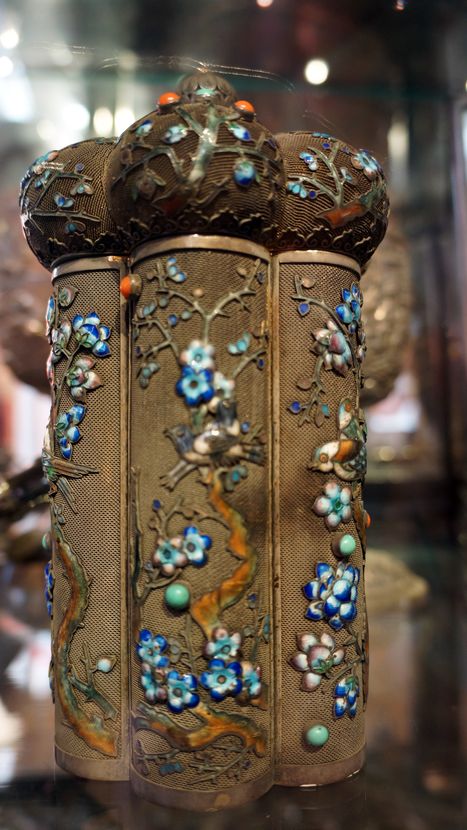
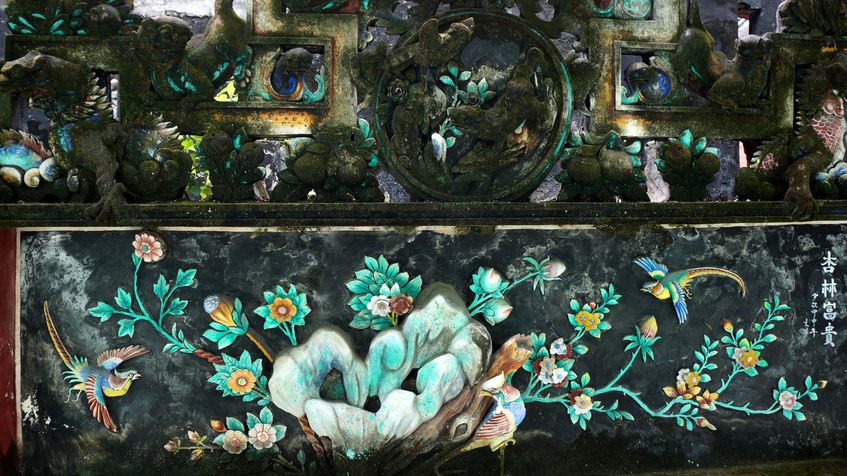
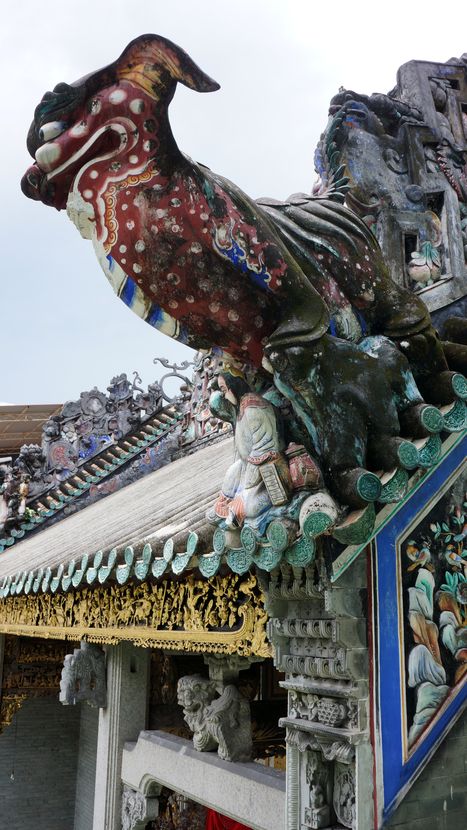
What a colored and mixed world…
You might also like

Penang Mood

Eastern & Oriental Hotel - Fantastic 4

ONE PICTURE, EMOTION, THOUGHT


Really enjoyed this post.Thanks Again. Really Cool.
Thank you!